Between work, family, and getting to class, nutrition advice can start to feel like another full-time job. Should you count protein? Cut carbs? Take vitamins? Start weighing everything?
At CrossFit Shokunin in Mesa, we encourage a more useful first step: understand what goes into your meals, then practice one improvement you can repeat. Macros and micronutrients both belong in that picture.
You do not have to track every gram to start building a more balanced plate.
What are macros?
Macronutrients are carbohydrates, protein, and fat. They provide energy and have different roles in your body.
- Carbohydrates: Your body breaks down digestible carbohydrates into glucose for energy. Rice, oats, potatoes, fruit, and beans are everyday examples of foods that contain carbohydrates.
- Protein: Your body uses protein to maintain and repair cells. Foods such as eggs, fish, chicken, yogurt, beans, and tofu can contribute protein to your meals.
- Fat: Dietary fat supplies energy and helps your body absorb certain vitamins. Foods such as olive oil, avocado, nuts, and seeds can contribute fat.
Those categories overlap. Beans contain both carbohydrate and protein; nuts contain fat and protein. A food does not need to fit neatly into one box to earn a place on your plate.
What are micronutrients?
Micronutrients are vitamins and minerals. You need them in smaller amounts, but that does not make them less important.
A practical way to think about them is variety. Instead of eating the same few foods because they fit a set of numbers, include different vegetables, fruits, grains, protein foods, and other foods that suit your needs.
You can explore individual vitamins and minerals through USDA's nutrient resources. The goal here is not to memorize every nutrient. It is to give your meals more variety over time.
Build meals around combinations
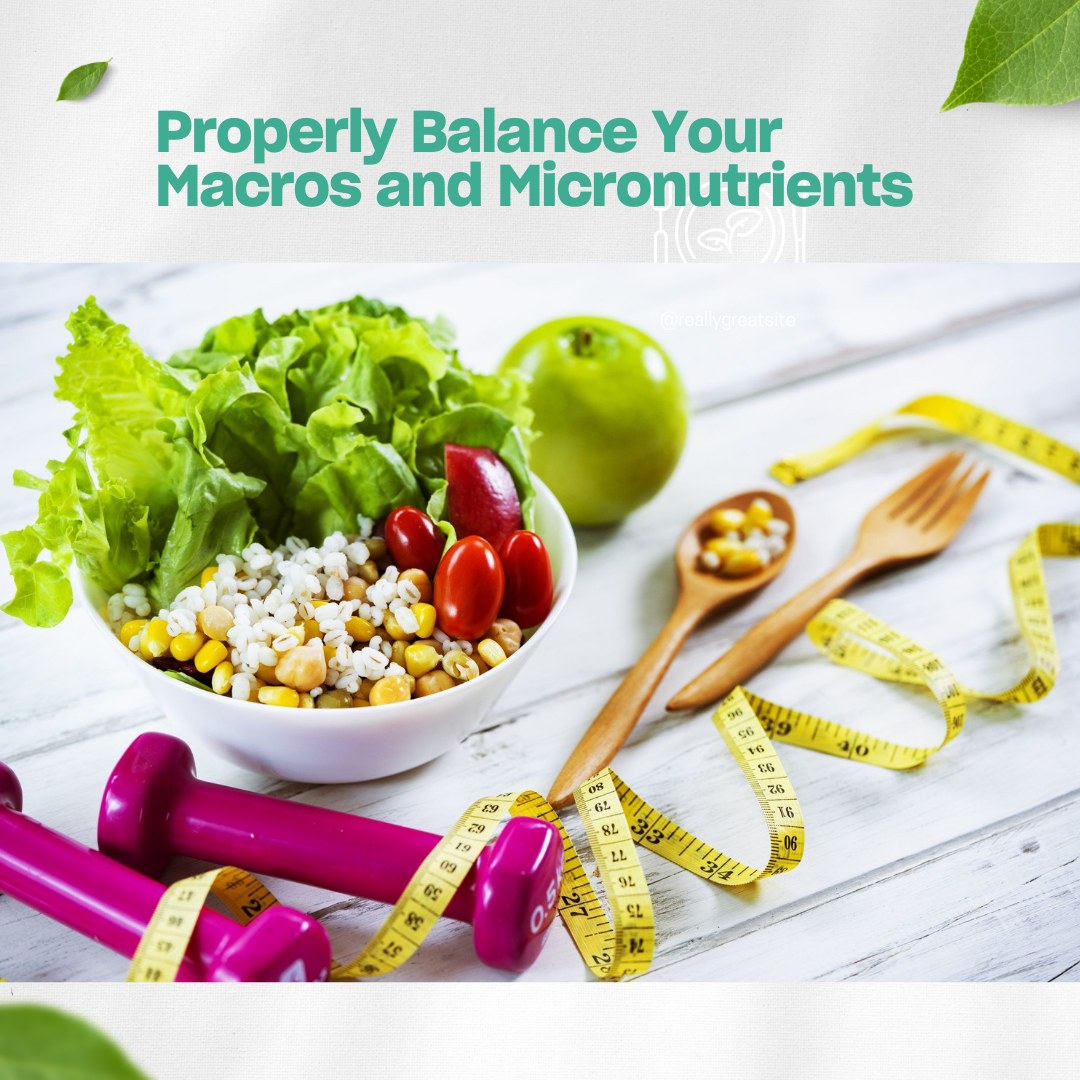
For your next meal, choose a protein food, a carbohydrate source, and a fruit or vegetable. Include a fat source as it fits the meal. This is a starting framework, not a fixed portion prescription.
Here are three combinations to try:
- Breakfast: Plain yogurt with oats, berries, and a few nuts.
- Lunch: Chicken or tofu with rice, frozen vegetables, and an olive-oil dressing.
- Dinner: A bean bowl with potatoes, peppers, greens, and avocado.
Adjust ingredients and amounts to your preferences, appetite, activity, and goals. A meal you can make on a busy Tuesday is a better starting point than an elaborate plan you rarely use.
If you track macros, look beyond the totals
Logging food can help you notice patterns. But a carbohydrate, protein, and fat total does not tell the whole story of what you ate.
Alongside the numbers, ask yourself: Did I include produce? Am I choosing a variety of foods during the week? Is my plan convenient enough to repeat?
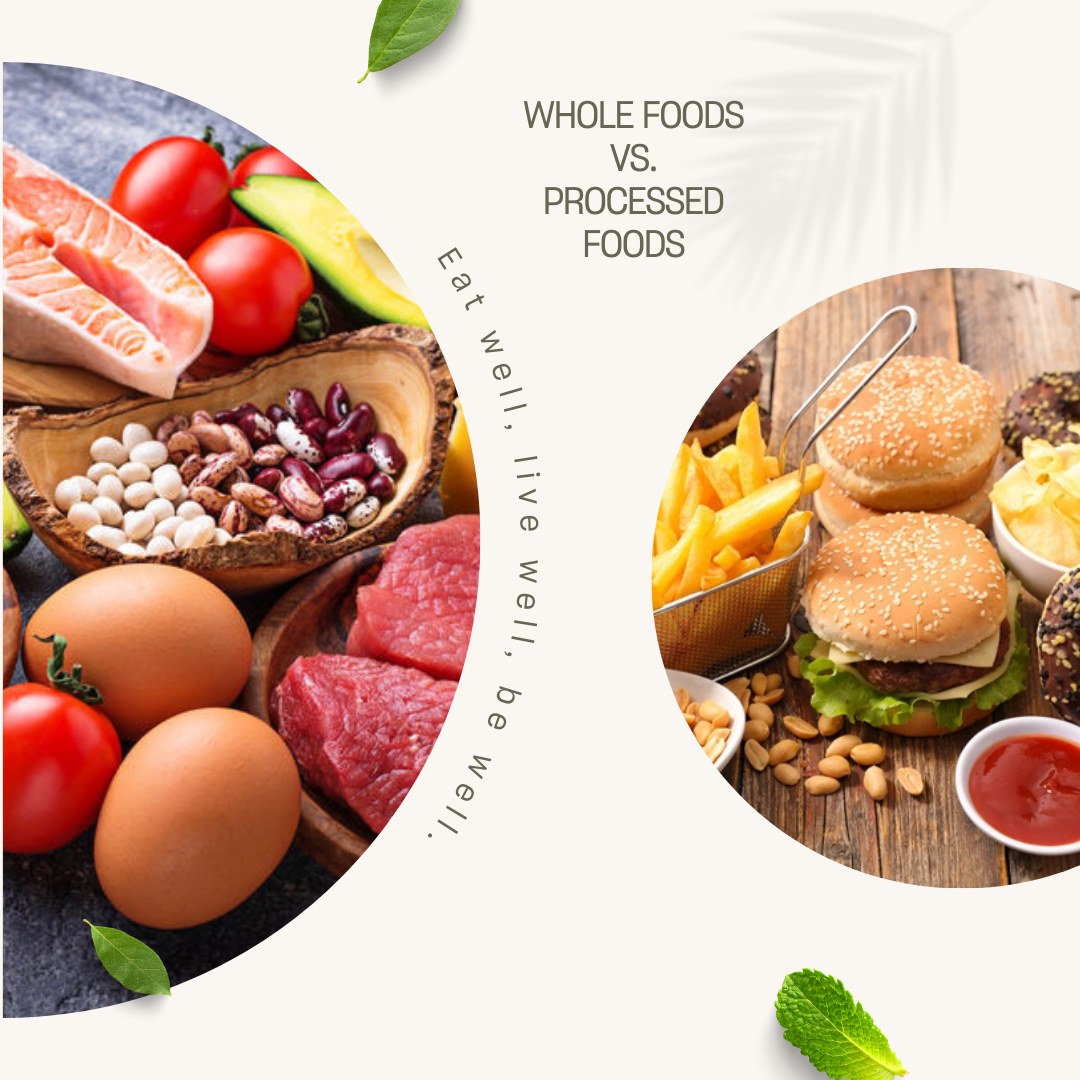
If you do not track, use those same questions. You can work on meal structure without downloading an app or purchasing a food scale. Our earlier guide to whole foods and simple nutrition habits offers more ideas for making everyday meals easier.
Do supplements replace food variety?
No. The NIH Office of Dietary Supplements explains that multivitamin and mineral supplements cannot replace a varied diet. Foods also provide fiber and other components.
Some people need specific supplements based on their circumstances. That is an individual conversation with a qualified health professional, rather than a reason for everyone to add the same products.
Your habit to sharpen this week
Pick one meal you already eat regularly. On three days this week:
- Identify its protein food and carbohydrate source.
- Add a fruit or vegetable if one is missing.
- Try one different produce option during the week.
- Notice whether the meal was enjoyable and easy to prepare.
Keep what worked and adjust what did not. You are building a routine, one meal at a time.
Bring that consistency to the gym
Our coach-led CrossFit classes in Mesa give you a place to practice, ask questions, and keep progressing with a community around you. Your habits outside class can grow the same way.
Ready to start? Book your free 2-day trial at CrossFit Shokunin. No CrossFit experience is required.
Enter Unfinished. Keep Sharpening.