
You are getting to class more consistently. Now you want your food choices to feel a little more intentional, too. Does that mean throwing out every sweet food in the house?
At CrossFit Shokunin in Mesa, we encourage a smaller first step: learn what you are eating, choose one useful change, and practice it. Added sugar is a good place to apply that approach.
Here is how to read the label and make a realistic adjustment without turning every meal into a test of willpower.
Refined sugar, added sugar, and total sugar
“Refined sugar” describes processing, but “added sugars” is the more useful term on a Nutrition Facts label. Added sugars include table sugar, honey, and syrups used as sweeteners. A natural-sounding name does not make a sweetener exempt.
Total sugars includes both added sugars and sugars naturally present in foods such as fruit and milk. You do not need to treat an apple like a spoonful of sugar: consider the entire food and what it contributes to your meals.
The FDA's added-sugars guide explains this distinction. A label reading “Total Sugars 15g, Includes 7g Added Sugars” means seven of the 15 grams were added. Do not add those numbers together.
Check the serving before comparing products
Choose two foods you already buy, such as flavored yogurts or breakfast cereals. Compare the serving sizes first, then look at added sugars alongside the rest of the label.
A made-up example: one yogurt lists 10 grams of added sugar per container, while another lists four grams per container. If the containers are comparable, the second gives you a straightforward option to try. Also consider protein, portion size, price, and whether you enjoy eating it.
Shopping does not need to become a search for the “perfect” product. Find a choice that supports your routine and earns a place on your next grocery list.
Start with a choice you make often
A practical place to experiment is something you reach for regularly. That might be your usual coffee order, afternoon snack, or breakfast topping.
- Coffee: Try less syrup in your usual order and see whether you still enjoy it.
- Breakfast: Compare a sweetened yogurt with plain yogurt topped with berries.
- A snack: Pack fruit and a food you enjoy alongside it, such as nuts or plain yogurt.
- Your usual drink: Try unsweetened sparkling water if you want a different everyday option.
Pick the experiment that feels easiest to repeat. If it makes your day harder, adjust the plan instead of abandoning it.
Keep the focus on your overall routine
The reason to pay attention to added sugar is not that one dessert ruins your progress. As the FDA explains, a high intake can make it harder to meet nutrient needs within your calorie needs. The overall eating pattern matters.
We also do not need a blanket claim that every sweet food causes a crash or that sugar automatically depletes nutrients to make useful choices. Keep the goal concrete: understand your usual foods and create room for balanced meals.
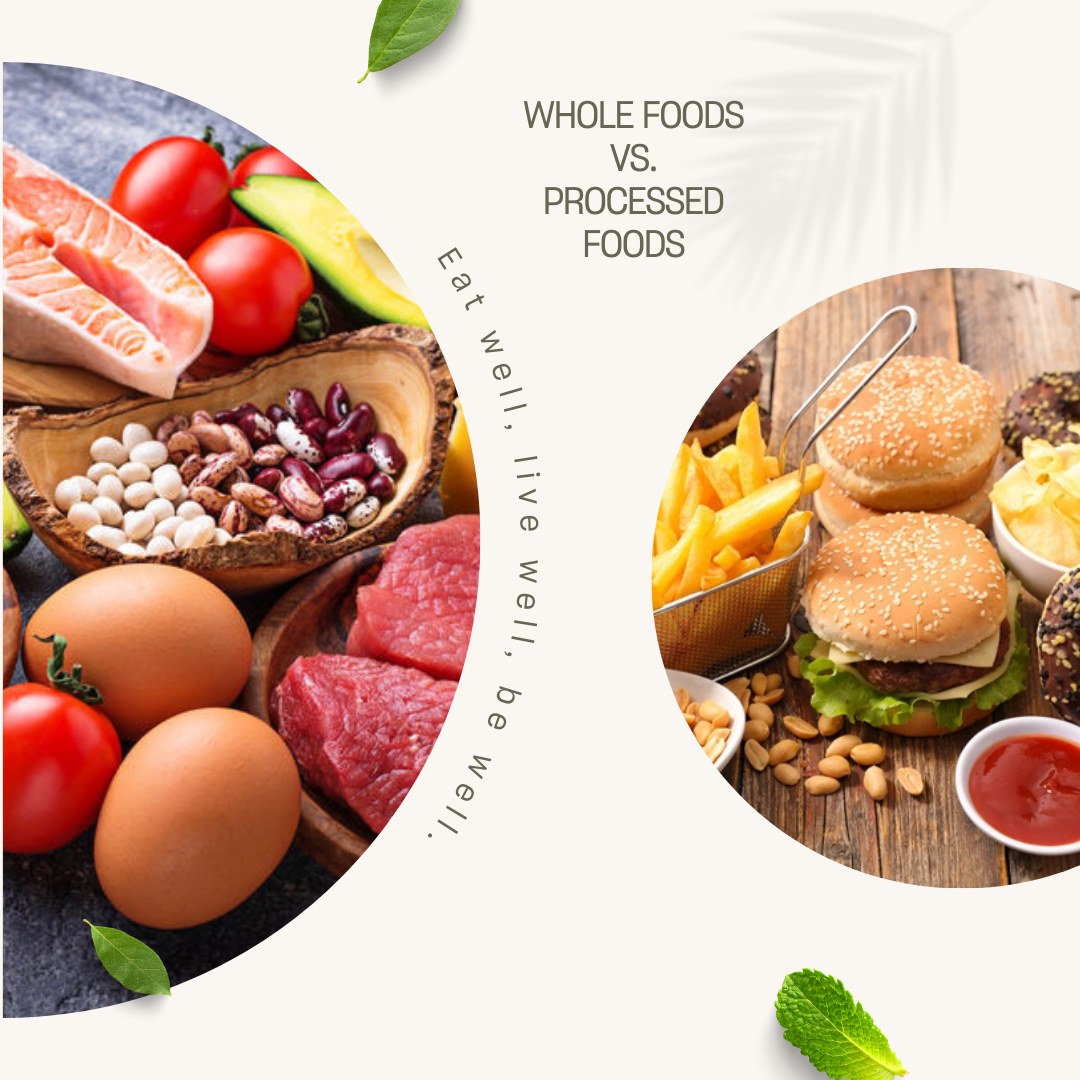
For more ideas, revisit our guide to whole foods and simple nutrition habits. A favorite treat can fit alongside a reliable everyday routine.
Your habit to sharpen this week
- Read the added-sugars line on three products you regularly use.
- Choose one lower-added-sugar alternative you are willing to try.
- Use that alternative on three occasions this week.
- Decide whether it was enjoyable, convenient, and worth repeating.
That last question matters. A small change you keep making is more useful than a strict rule you quickly drop.
Bring the same consistency to your training
Our coach-led CrossFit classes in Mesa give you a place to practice, learn, and keep progressing with a community around you. Bring that same patient approach to your habits outside the gym.
If you are ready to get started, try CrossFit Shokunin free for two days. No CrossFit experience is required.
Enter Unfinished. Keep Sharpening.
Nutrition reference: FDA: Added Sugars on the Nutrition Facts Label. This article provides general nutrition education.